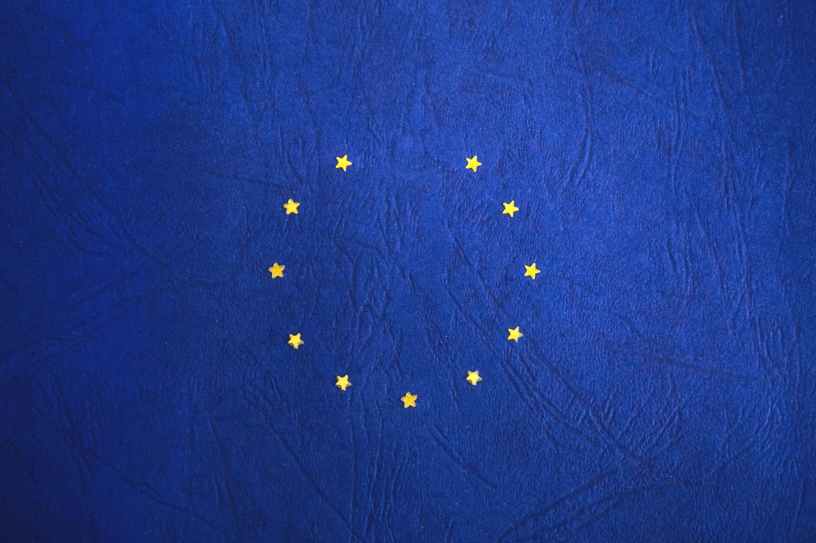
There is a kind of hobby among some politicians, journalists, and experts about a perpetual crisis of the European Union, a centrifugal force that would lead to its disintegration and the collapse of the integration process initiated back in the 1950s.
Inevitably, at every chance they have – whether a financial crisis, a conflict in its neighborhood, or some disagreements between France and Germany – they appear again with the same predictions: it’s the end of the EU. But it has never happened and never will. The European Union has proven to become more powerful and the integration process to gain pace at every opportunity throughout history.
The financial crisis in 2008, the current pandemic, at every threat here and there, the answer has always been the same: more powers transferred to the centre – to the EU institutions – from its member states. More decisions to be taken collectively rather than individually at the capital cities.
Besides this clear and irrefutable truth, it seems there will always be those doomsayers claiming that the end of the EU will come tomorrow and advocating for a European collapse.
The reality is well the opposite. The euro is still our currency, no one really doubts our future is a common one, and the pandemic has reinforced the idea that together we are stronger. The Next Generation funds speak for themselves.
The European Union is not only the biggest common market in the world, but it is a political union in which states have transferred sovereign rights, that is, competences, to the European institutions, where they – the member states – and the representatives of the peoples of Europe in the European Parliament, take decisions on those subject matters attached to the EU.
Of course, there are problems in the European political structure and improvement areas, but this is not something exclusive of the EU, but common to every political entity, whether an international organization or a sovereign state. The question here – the good question I would say – is that it seems quite clear that the answer is, and it will always be, to try to find a common solution to these problems and inefficiencies, rather than putting an end to the project. The unique and sole answer is more Europe, rather than no Europe – or less Europe.
So do not pay too much attention to those experts who foresee the end of Europe, because they do not seem to have much expertise, if any at all.
We have Europe for a long time, and this is undoubtedly good news. It is only in our hands to decide which Europe we want and who we want to be its leaders.
Long live to Europe. Larga vida a Europa. Llarga vida a Europa.
 Barcelona POLITIKO